Hemlock Removal in Philadelphia, PA
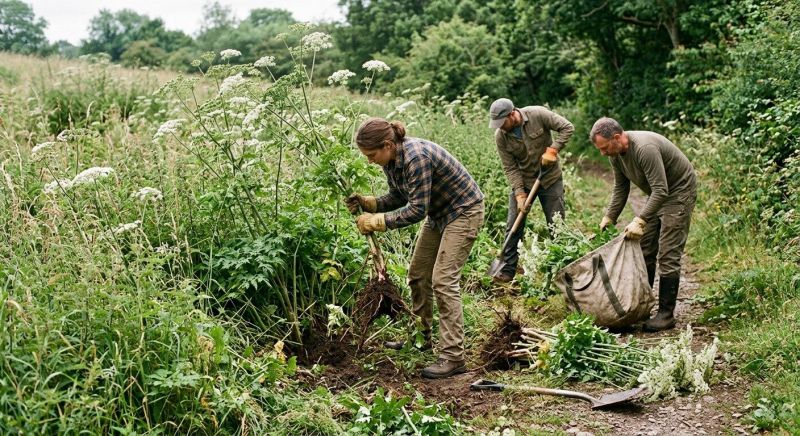
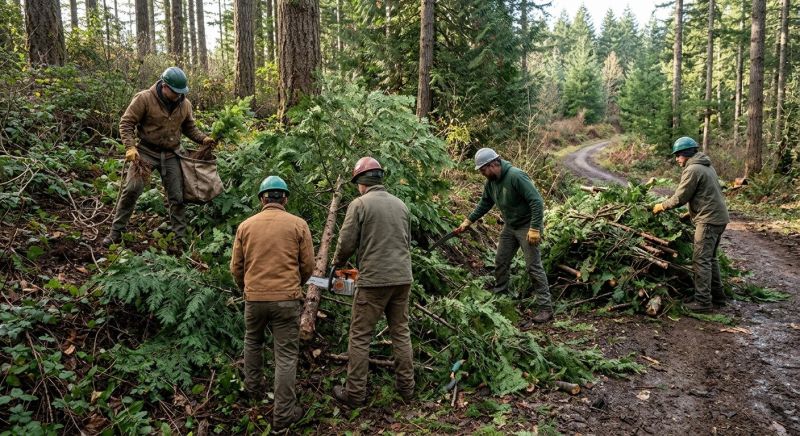
Hemlock removal services involve the safe and effective elimination of hemlock trees from residential properties. This process is often requested for projects such as clearing overgrown areas, removing hazardous or diseased trees, or making space for new landscaping or construction. Property owners typically want to understand the scope of the removal, including whether the entire tree will be taken down or if only specific sections need to be removed, as well as the potential impact on their landscape and surrounding structures.
Before requesting hemlock removal, homeowners should consider factors such as the size and location of the trees, potential challenges in accessing the site, and any local regulations or permits that may be required. It’s also helpful to know if the removal will involve stump grinding or other post-removal services, and to clarify expectations regarding cleanup and disposal of the tree debris. Proper planning ensures the process aligns with the property’s needs and minimizes disruption.
Many property owners in Philadelphia, PA look into Hemlock Removal for repairs, replacements, upgrades, and appearance-related improvements.
Reasons For Hemlock Removal
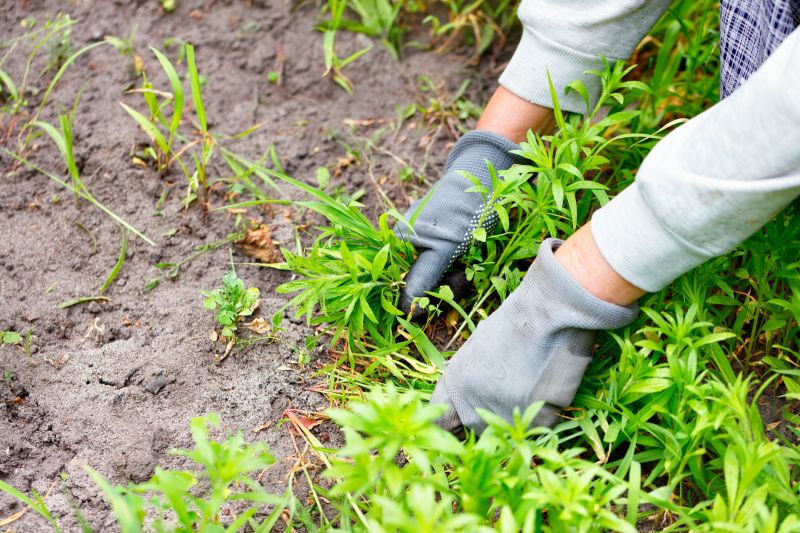
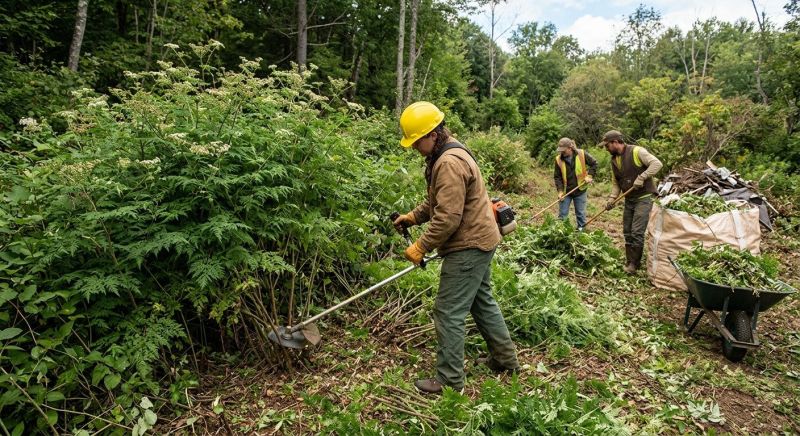
Removing hemlocks can improve landscape safety and prevent disease spread.
Signs Hemlocks Need Removal
Wilting, pest infestation, or structural damage are common indicators for removal.
Benefits Of Hemlock Removal
Clearing hemlocks enhances yard appearance and reduces risk to nearby structures.
Hemlock Removal in Philadelphia, PA

Hemlock removal services involve the safe and effective elimination of hemlock trees from residential properties. This process is often requested for projects such as clearing overgrown areas, removing hazardous or diseased trees, or making space for new landscaping or construction. Property owners typically want to understand the scope of the removal, including whether the entire tree will be taken down or if only specific sections need to be removed, as well as the potential impact on their landscape and surrounding structures.
Before requesting hemlock removal, homeowners should consider factors such as the size and location of the trees, potential challenges in accessing the site, and any local regulations or permits that may be required. It’s also helpful to know if the removal will involve stump grinding or other post-removal services, and to clarify expectations regarding cleanup and disposal of the tree debris. Proper planning ensures the process aligns with the property’s needs and minimizes disruption.
Many property owners in Philadelphia, PA look into Hemlock Removal for repairs, replacements, upgrades, and appearance-related improvements.
Common Hemlock Removal Jobs
Hemlock removal - clearing invasive trees to protect native landscapes and improve property safety.
Hemlock thinning - reducing tree density to promote healthy growth and prevent overcrowding.
Hemlock pruning - trimming affected branches to limit disease spread and enhance tree health.
Hemlock infestation control - managing and removing infected trees to prevent the spread of pests and disease.
Hemlock stump removal - eliminating remaining stumps to improve yard appearance and prevent regrowth.
Hemlock hazard assessment - evaluating trees for stability and recommending removal to ensure safety.

Hemlock Removal Questions
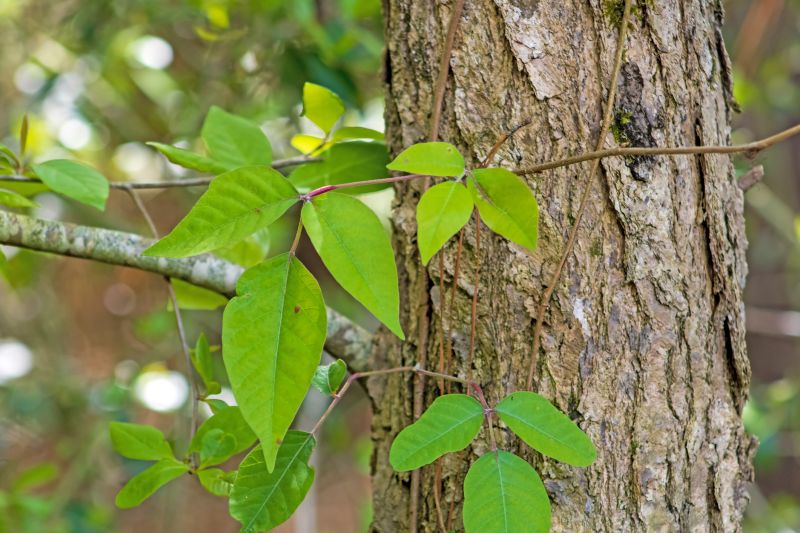
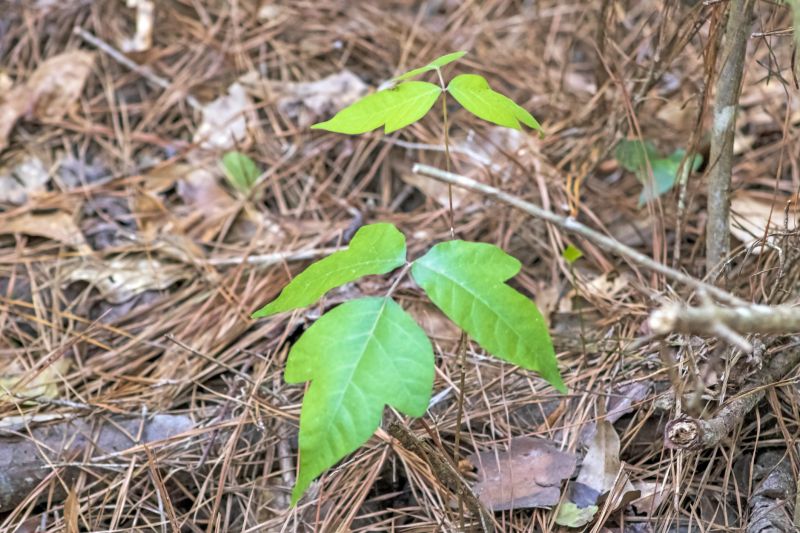
Why remove a Hemlock tree? Hemlock removal may be necessary if the tree is diseased, dead, or poses a safety risk to property and people nearby.
What are common signs a Hemlock needs removal? Signs include browning needles, needle drop, and visible damage or decay in the trunk or branches.
Is Hemlock removal disruptive to the landscape? Removal can be performed with minimal impact on surrounding plants and landscape features when planned carefully.
What should property owners consider before removal? Consider the tree's location, size, and potential effects on the landscape or nearby structures before proceeding.
Request Hemlock Removal in Philadelphia, PA
Use the quote form on this page to share the basics of your project and request more information for the type of work you need.