Poison Ivy Removal Services Overview
This page helps property owners learn about poison ivy removal services and compare local contractors who handle the work.
- - Residential property owners seeking to remove Poison Ivy from yards, gardens, or landscaping areas.
- - Commercial property managers needing to safely eliminate Poison Ivy from outdoor spaces and grounds.
- - Landowners and developers requiring professional Poison Ivy removal to maintain safe and accessible properties.
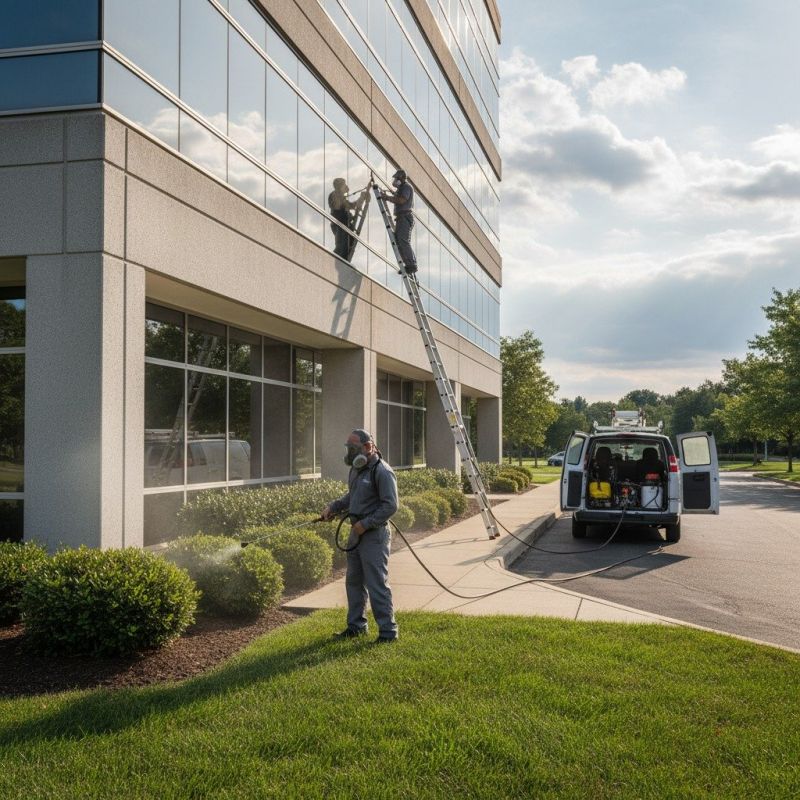

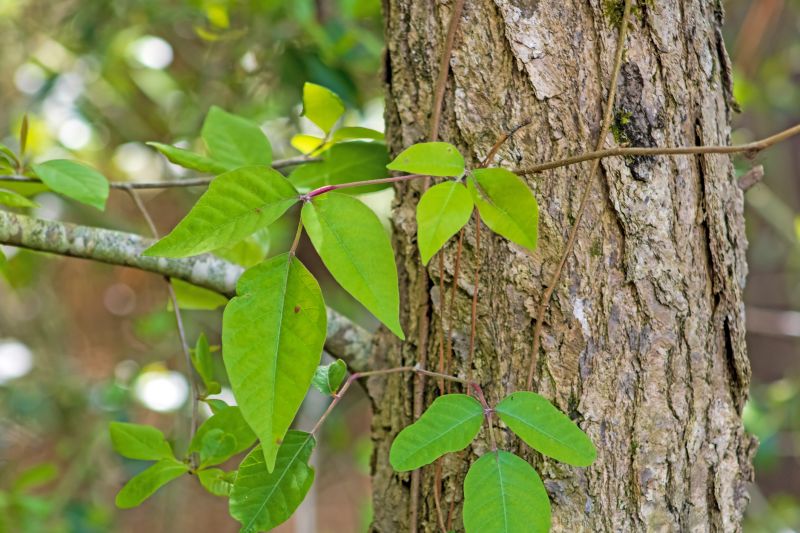
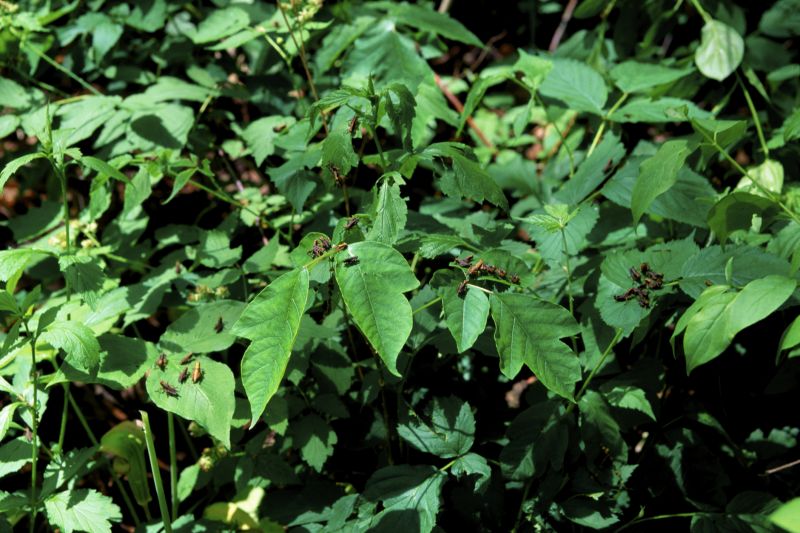
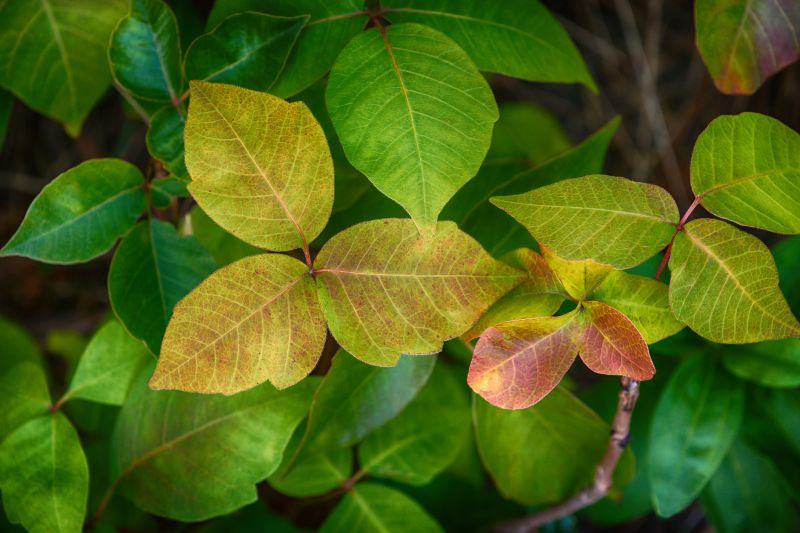
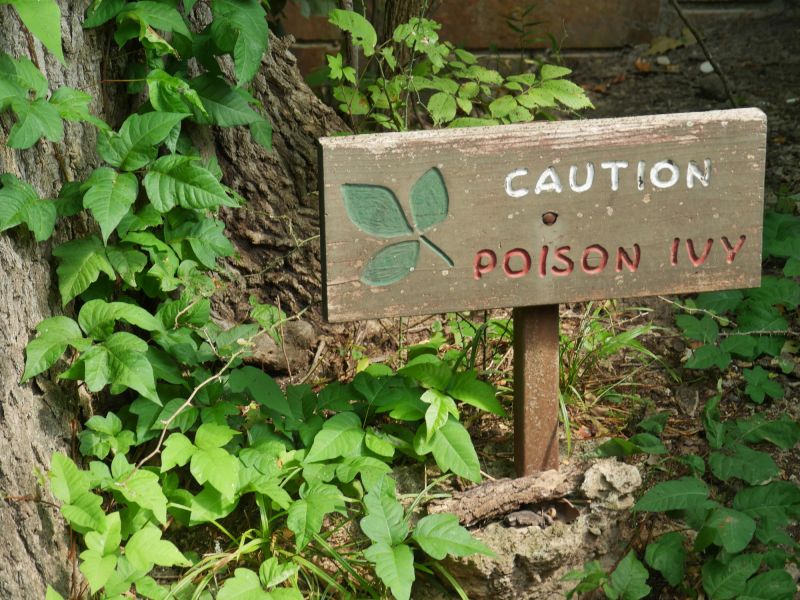
Poison ivy removal is a common service sought by property owners looking to maintain safe and healthy outdoor spaces. Local contractors who specialize in plant and landscape management typically handle this work, which involves identifying and safely removing poison ivy vines from trees, fences, and ground areas. These professionals are experienced in managing the plant’s growth patterns and know the best methods to eliminate it effectively, helping property owners prevent skin irritation and protect their landscapes.
Connectors on this site help individuals compare local service providers who offer poison ivy removal services. Whether dealing with overgrown vines on trees or ground cover encroaching on lawns and walkways, property owners can find experienced contractors in their area. These local pros can assess the situation, recommend appropriate removal strategies, and carry out the work to help keep outdoor spaces safe and free from the nuisance of poison ivy.
This guide provides helpful information to understand the process of Poison Ivy removal and what to consider when choosing a service provider. It aims to assist visitors in comparing local contractors and preparing to discuss their project details. By exploring this resource, users can make more informed decisions about connecting with qualified local service providers.